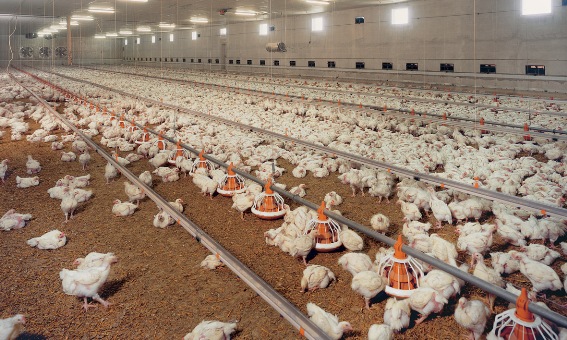

In 2025 the EU imported 33% more chicken from China than in 2024
While the MERCOSUR scenario dominates media attention due to the scale of the negotiations, the European poultry sector is simultaneously facing a rapidly escalating sanitary and trade challenge originating not only from South America but also from the Far East. The recent and meteoric rise in imports from the People’s Republic of China underscores a worrying pattern of non-compliance with the high standards the European Union demands of all its external suppliers.
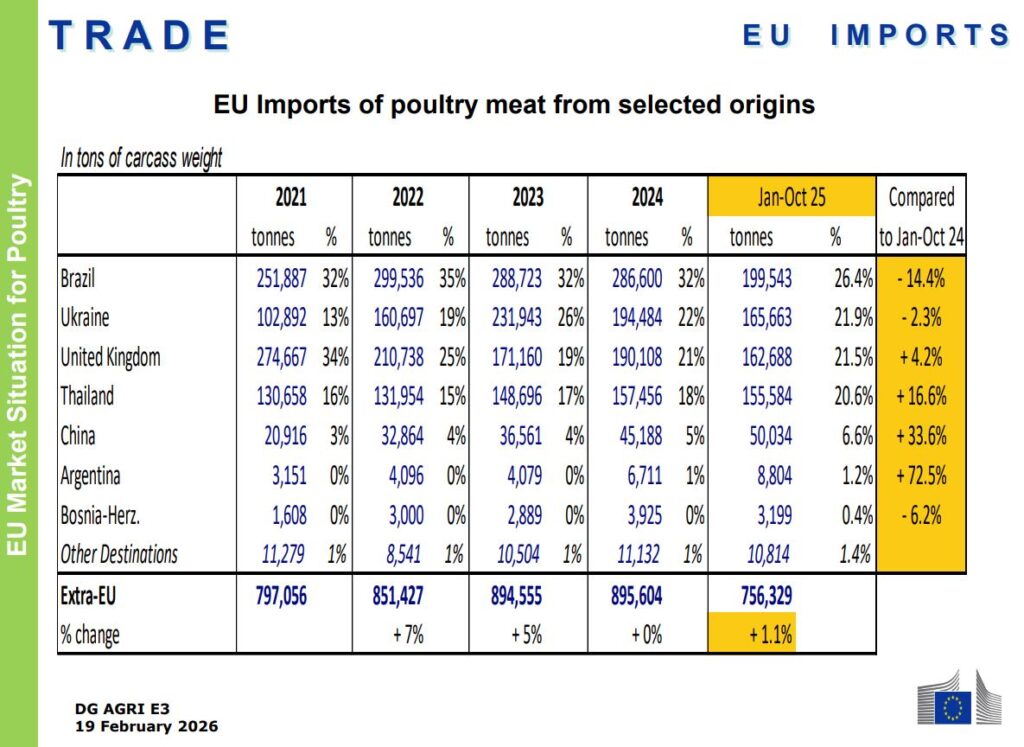
An analysis of customs data reveals an unprecedented increase: specifically, during the period from January to October 2025, Chinese imports of poultry meat and by-products into the EU experienced a spectacular and anomalous surge of 33.6%, reaching an approximate volume of 50,000 tonnes.
This accelerated market penetration has propelled China to the position of fifth largest external supplier of poultry meat to the EU, placing it within close reach of established exporting powers such as Brazil, Ukraine, post-Brexit United Kingdom, and Thailand.
An EU report that has received almost no media coverage has highlighted serious food safety risks in chicken imported from China to Europe in 2025.
The industry association AVEC, invoking the inalienable precautionary principle that governs European health policy, has formally requested the European Commission to impose an immediate precautionary suspension of all poultry meat imports originating from China, basing its petition on the disclosure of audit results described as disastrous.
The technical trigger that prompted the call for border closure was a meticulous audit carried out on the ground in China in November 2025 and published on 12 February 2026 by teams from the EU’s Directorate-General for Food Safety (DG SANTE) covering the main Chinese production and processing facilities for poultry and rabbit meat destined for export to European Union markets.
The fundamental purpose of this inspection mission was to rigorously audit whether the competent central and provincial authorities in China provided the indispensable procedural and practical assurances that meat production was fully aligned with the strict requirements and regulations set out in EU legislation for human consumption.
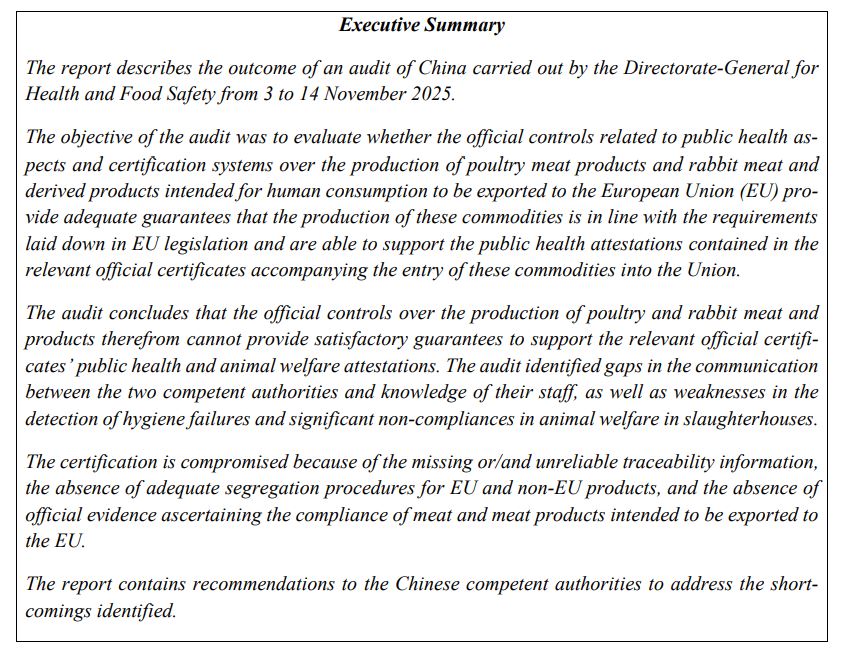
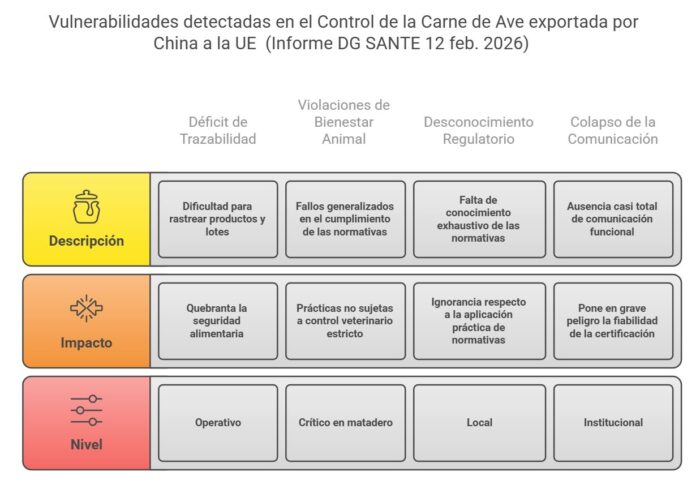
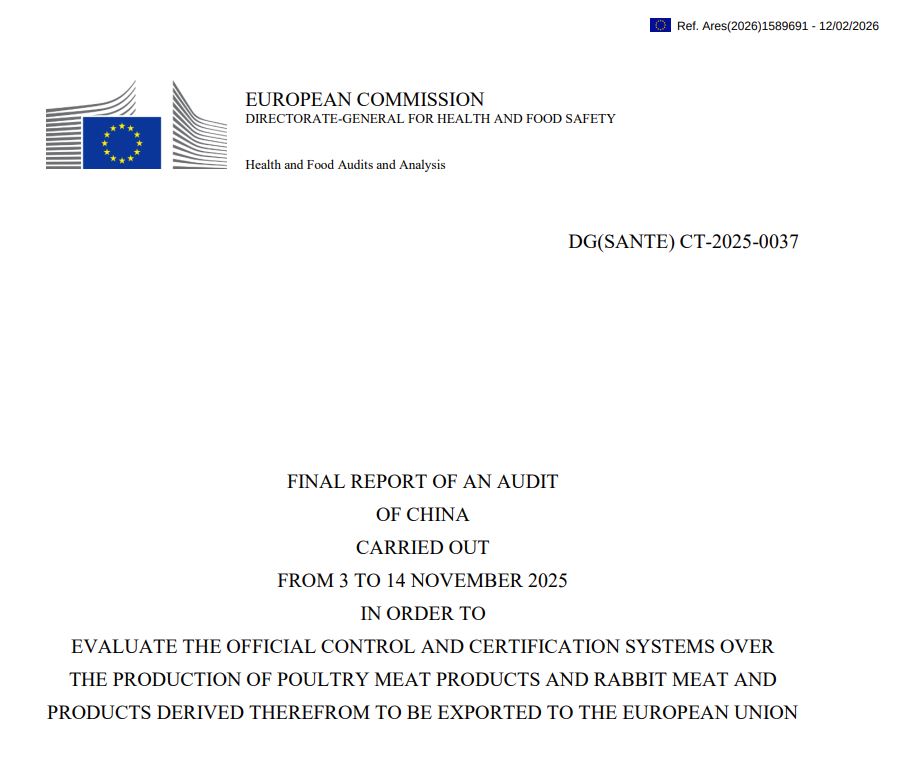
The findings contained in the audit report published on 12 February 2026 under the title “FINAL REPORT OF AN AUDIT OF CHINA CARRIED OUT FROM 3 TO 14 NOVEMBER 2025 IN ORDER TO EVALUATE THE OFFICIAL CONTROL AND CERTIFICATION SYSTEMS OVER THE PRODUCTION OF POULTRY MEAT PRODUCTS AND RABBIT MEAT AND PRODUCTS DERIVED THEREFROM TO BE EXPORTED TO THE EUROPEAN UNION” revealed a landscape of systemic and structural vulnerabilities that the European poultry sector considers wholly unacceptable as a basis for maintaining open trade:
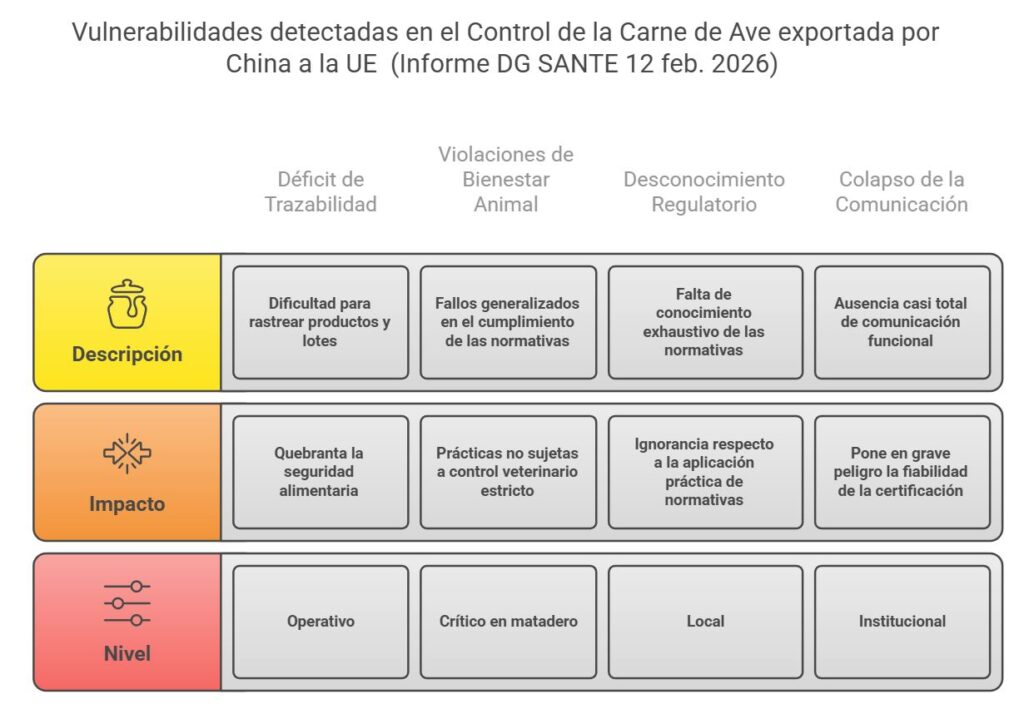
- Critical Traceability Deficit: Inspectors identified and documented highly significant operational deficiencies in the actual capacity to track products and meat batches throughout China’s vast supply chain, undermining a requirement that is the central pillar for maintaining food safety in the event of product recalls within the European single market.
- Systemic Animal Welfare Violations: Widespread, consistent, and non-isolated failures in compliance with EU animal welfare regulations during critical slaughterhouse operations were observed on-site and recorded, specifically in the pre-slaughter stunning and bleeding processes — practices subject to strict veterinary oversight in Europe.
- Regulatory Ignorance Among Local Auditors: The European team demonstrated and documented in its report that local Chinese customs officials and certifying veterinarians lacked the comprehensive knowledge required. According to the report, they were only “aware of some specific attestations included in the health/official certificates” — such as basic heat-treatment requirements — but demonstrated ignorance regarding the correct practical application of complex EU regulations on welfare and handling.
- Collapse of Inter-administrative Communication Networks: Arguably the most disruptive and alarming finding at an institutional level was the confirmation of an almost total absence of a functional, fluid, and bidirectional communication system between the different Chinese authorities, with particular severity at the level of local and regional administrations. The Commission concluded unequivocally that this governmental opacity and disconnection regarding the flow of information relevant to health dossiers “seriously jeopardises the reliability of the official certification” underpinning containers exported to Europe.
Further reading:
-. Original report: “FINAL REPORT OF AN AUDIT OF CHINA CARRIED OUT FROM 3 TO 14 NOVEMBER 2025 IN ORDER TO EVALUATE THE OFFICIAL CONTROL AND CERTIFICATION SYSTEMS OVER THE PRODUCTION OF POULTRY MEAT PRODUCTS AND RABBIT MEAT AND PRODUCTS DERIVED THEREFROM TO BE EXPORTED TO THE EUROPEAN UNION”
-. EU-MERCOSUR Agreement
Want to stay one step ahead in poultry farming?
Subscribe free to our eNewsletter and receive a weekly selection
of the best information to anticipate trends, stay up to date, and develop as a poultry industry professional.
NeXusAvicultura: Vision, Insight, Quality and Context.