
The Catalan poultry sector navigates a 2025 of contrasts between strong consumption and high health pressure
A year of intense activity, with strong consumption results but overshadowed by the impact of avian influenza and tensions in the egg market
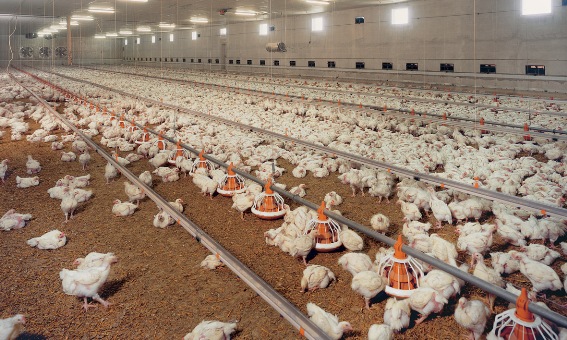
Barcelona, 4 February 2026 – The Catalan poultry sector experienced a year of highs and lows throughout 2025. On one hand, productive activity was favourable in the poultry meat subsector, with contained costs, solid consumption levels, and a proper balance between supply and demand. On the other hand, the egg sector endured a difficult year, marked by insufficient supply relative to demand, both in Catalonia and globally.
This scenario was compounded by a particularly complex health context, with a very high risk of incursion of highly pathogenic avian influenza (HPAI) and the presence of several outbreaks in different autonomous communities, which placed the entire sector under considerable strain.
According to the Federació Avícola Catalana (FAC), the organisation representing poultry meat and egg producers in Catalonia, 2025 demonstrated both the sector’s resilience and the need to continue strengthening management, prevention, and coordination tools in an increasingly demanding health environment.
A year of strong consumption results, but with severe tensions in the egg sector
During 2025, the poultry meat sector managed to maintain a good balance between production and demand, which sustained activity in a context of relatively contained costs and stable, favourable consumption.
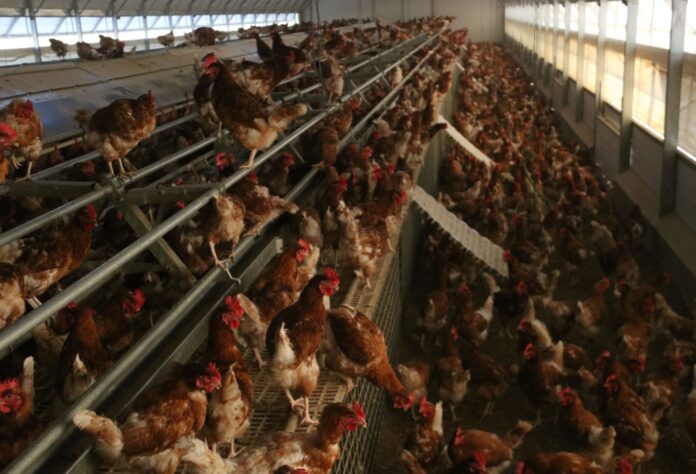
The egg sector, by contrast, was under severe strain due to a supply-demand imbalance, which drove prices higher at the international level. On one hand, the impact of avian influenza worldwide reduced global production and increased demand for Catalan eggs for export. On the other hand, the transition of farms towards new production models to comply with new European regulations is causing a temporary decline in the number of laying hens in Catalonia and across Europe. These factors are compounded by a 20% increase in egg consumption in the European Union (EU) over the past decade.
Even so, egg production in Catalonia is prepared to meet the consumption needs of Catalan households. Catalonia is the fifth-largest egg producer in Spain, accounting for 8.9% of total national production, which in turn represents 14% of total EU production, and exports 20% of its output to other EU member states.
“Poultry meat is the most consumed meat in Catalan households, accounting for 45.3% of total fresh meat, and its consumption grew by 8.4% in the past year.”
A health context that calls for deep reflection
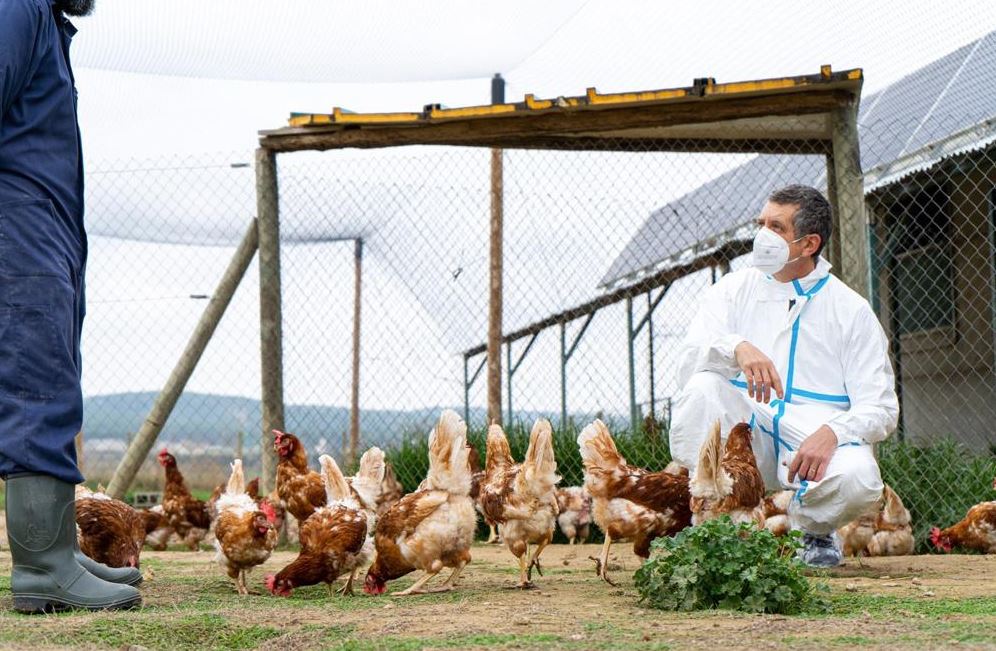
2025 was a particularly difficult year from a health perspective. The risk of HPAI incursion was very high and outbreaks occurred in several autonomous communities. The high number of cases recorded worldwide highlighted the importance of being very well prepared — both on the part of companies and public authorities — to manage these episodes with maximum efficiency and prevent the spread of the virus.
According to the FAC, the concentration of health challenges experienced this year has placed the sector in a situation of risk and calls for collective reflection:
“We find ourselves at a moment when the health situation affecting the main livestock production sectors is hindering the normal development of activity. Once this crisis has been overcome, it will be necessary to evaluate short-, medium- and long-term strategies, within the framework of the One Health concept, that help prevent years as adverse as 2025,” states Joan Anton Rafecas, president of the FAC.
Promotion of local produce and links with gastronomy
In the area of promotion, the FAC has expressed a very positive assessment of its participation in the ‘La força de la carn’ project, as well as its ‘Tria ous amb accent català’ campaign. These initiatives, developed within the context of Catalonia’s World Region of Gastronomy, have helped to highlight the role of the poultry sector in the country’s economy, territorial balance, culture and gastronomy, while also strengthening ties with local produce.
The FAC’s campaign revealed a clear preference among Catalan consumers for locally produced eggs. A resounding 81% of citizens (8 out of every 10 people) choose eggs produced close to where they live, basing their choice on three key reasons: freshness, support for the local economy, and sustainability. However, 84% acknowledge that they do not know how to identify the origin of eggs by reading the code on the shell.
Sector structure and international environment
During 2025, a trend towards business consolidation has become more pronounced in both the meat and egg sectors, with a gradual entry of foreign-capital companies. This dynamic is partly a response to the sector’s positive outlook, but at the same time creates uncertainty among operators and raises new challenges in terms of the structure and governance of the productive fabric.
In parallel, the FAC has expressed its opposition to the implementation of the agreement between the European Union and Mercosur, as it creates serious imbalances for European poultry production, which is subject to the world’s most demanding standards in terms of food safety, animal welfare, and environmental sustainability.
This fact, widely recognised as a strategic asset of the European production model, entails significantly higher production costs than those of Mercosur countries and creates a clear competitive asymmetry:
“It is essential that the European poultry sector is able to compete on a level playing field. For years, our companies have made investments to comply with European legislation. This effort, which is indispensable for guaranteeing food quality and safety, is not rewarded when products that do not meet the same requirements are allowed into the market. This jeopardises the economic viability of the sector and its capacity to continue investing in improvements,” states Rafecas.
The Federació Avícola Catalana considers it inconsistent to impose very high standards on European producers while simultaneously facilitating access to the community market for products that are not subject to the same rules. Therefore, should the agreement ultimately enter into force, the FAC considers it essential to deploy effective measures to promote the value of European production to the processing industry, the foodservice sector, and end consumers — such as promoting local consumption, establishing a clear origin labelling system across all channels including foodservice, and implementing rigorous import control systems.
Institutional activity and outlook for 2026
2025 was also a significant year for the FAC at the institutional level, with the renewal of the mandate of president Joan Anton Rafecas, reinforcing the continuity of the organisation’s project and its defence of the sector’s interests.
Looking ahead to 2026, the FAC anticipates a key year with the launch of the Avianza standard extension and the completion of the Broilernet project — two strategic initiatives aimed at strengthening sectoral coordination, competitiveness, and innovation.
The Federació Avícola Catalana reaffirms its commitment to continuing to work with companies and public authorities to secure the future of a sector that is strategic for the economy, the territory, and the food supply of Catalonia.
The poultry sector in figures
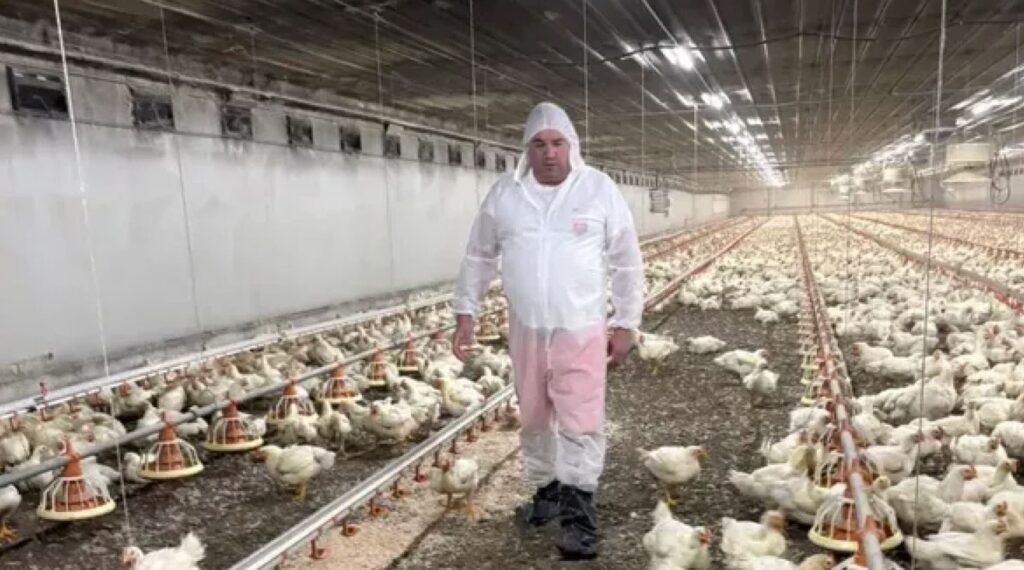
The poultry sector accounts for 12% of Catalonia’s total agricultural output and is the second most important within the meat and livestock sector, behind pig production.
Catalonia represents a key hub in national egg production. Its contribution forms part of the total 1,169 million dozens that position Spain as the third-largest producer in the European Union.
Poultry meat production
Catalonia is one of Spain’s leading regions in poultry production. It is the country’s top producer by number of head, accounting for 24% of the national total, and the second by volume at 20%, with Andalusia ranking first.
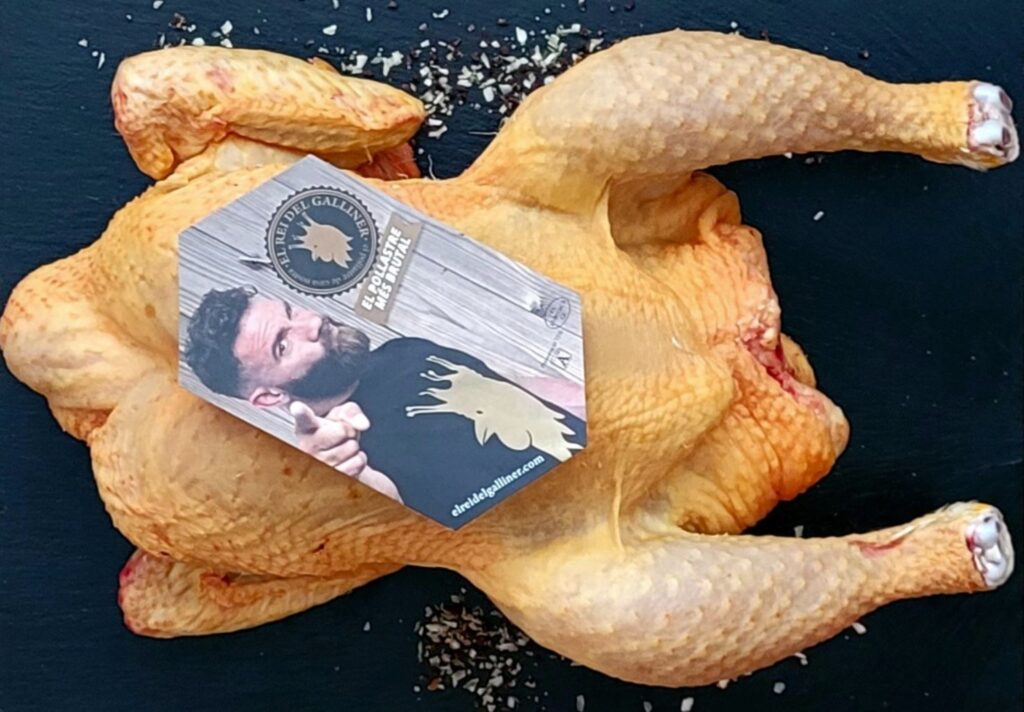
The Catalan poultry sector closed 2024 with a production of 367,000 tonnes of poultry meat, 2.7% more than in 2023, of which 78% was chicken, 17% turkey, and the remaining 5% other poultry.
In relation to total meat production in Catalonia, poultry meat ranks second at 14%, behind pig meat (79%) and ahead of beef (6%).
Poultry meat production in Catalonia by province (total carcass weight, thousands of tonnes):
| Province | Total carcass weight | % |
|---|---|---|
| Catalonia | 367,039 | 100% |
| Barcelona | 113,332 | 30.8% |
| Girona | 22,675 | 6.2% |
| Lleida | 122,855 | 33.5% |
| Tarragona | 108,175 | 29.5% |
Egg production
Within Spain, Catalonia is the fifth-largest egg producer, accounting for 8.9% of total production.
Catalonia has a total flock of 4.27 million laying hens, excluding backyard production, which in 2024 produced more than 104 million dozens of eggs. This represents an increase of 4.8% compared to the previous year, consolidating the growth trend in production.
nnnn63% of the eggs produced came from caged hens; 26.6% from barn hens; 6.9% from free-range hens; and 3.2% from organic production.
nnnnHen egg production for human consumption in Catalonia by province:
nnnn| Province | Production (millions of dozens) | % | No. of farms |
|---|---|---|---|
| Catalonia | 104,083 | 100% | 316 |
| Barcelona | 8,438 | 8.2% | 81 |
| Girona | 8,435 | 8.1% | 96 |
| Lleida | 49,258 | 47.3% | 63 |
| Tarragona | 37,952 | 36.4% | 76 |
Consumption of poultry products in Catalonia
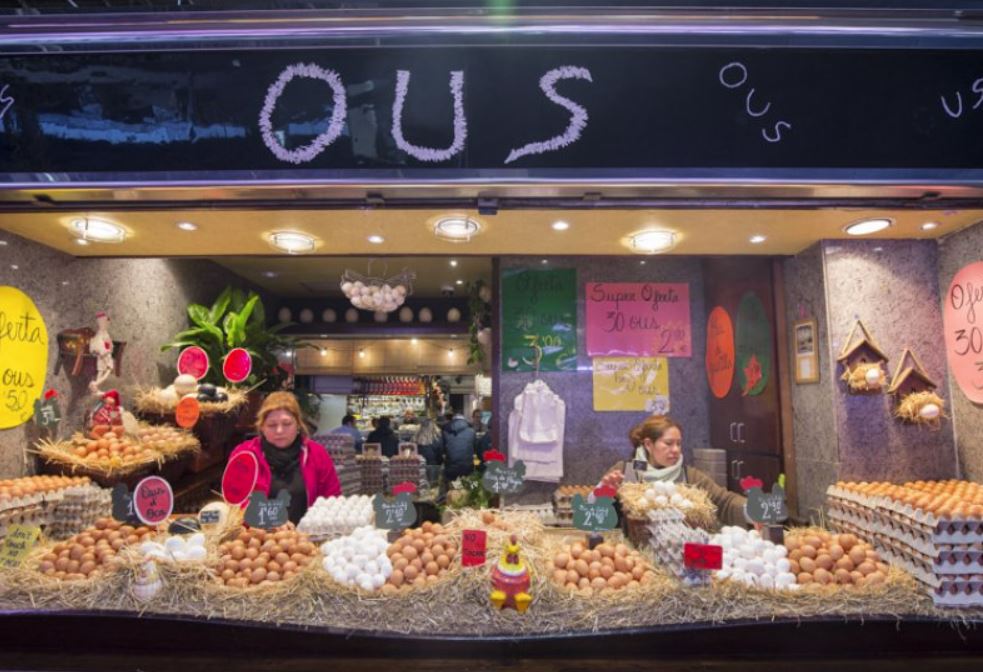
nnnnPoultry products are present in the shopping basket of virtually all Catalan households. By product, eggs have a penetration rate of 98% and fresh chicken meat of 97%.
nnnnPoultry meat is the most consumed in households, accounting for 45.3% of total fresh meat. Second is pork (30.6%) and third is beef (12.8%). In Catalonia, 14.8 kg of fresh poultry meat are consumed per person per year, of which 13.5 kg correspond to chicken and 1.3 kg to turkey. Chicken meat consumption in Catalan households recorded an increase of 8.4% compared to the previous year.
nnnnCatalan households consumed approximately 90 million dozens of eggs in 2024, 6.3% more than the previous year, representing an average of 148 eggs per person per year.
nnnnSource: Federació Avícola Catalana
nnnnTo learn more:
-. About the FAC: With nearly five decades of history, the Federació Avícola Catalana brings together more than 260 egg and poultry meat producers from across Catalonia. It acts as the sector’s representative before authorities and society, defending a production model aligned with the high quality and animal welfare standards required in the European Union.
-. News about the FAC on NeXusAvicultura
nnnn
Want to stay one step ahead in poultry farming?
Subscribe for free to our eNewsletter and receive a weekly selection
of the best information to anticipate trends, stay up to date and grow as a poultry industry professional.
NeXusAvicultura: Vision, Criteria, Quality and Context.