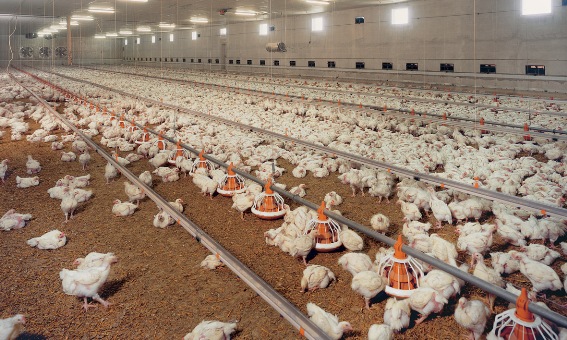

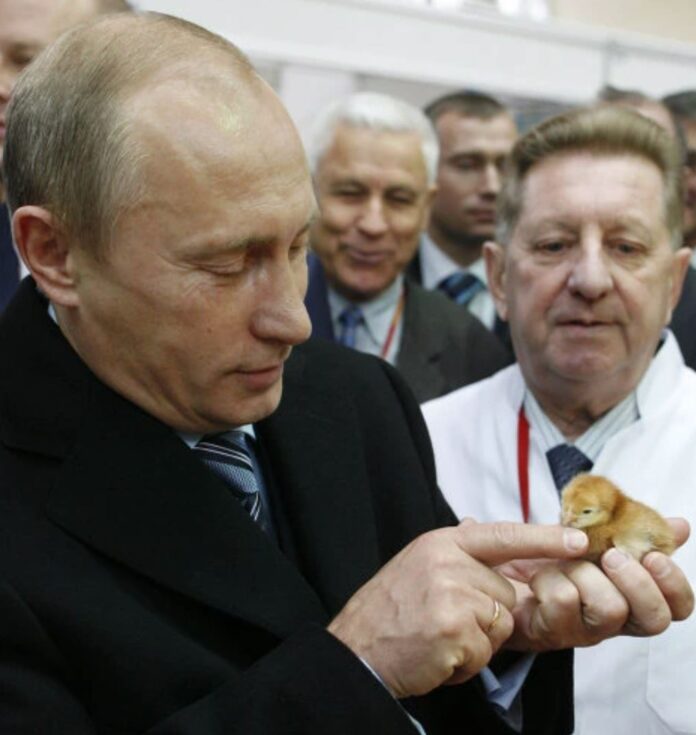
China and Russia have taken significant steps to deepen their cooperation in poultry genetics, through the signing of a series of agreements aimed at establishing joint ventures and cutting-edge research platforms. This collaboration, formalised during an official visit by a delegation from Russia’s Ministry of Agriculture to China, has as its primary objective strengthening food sovereignty in both nations in the face of geopolitical tensions and risks within global supply chains.
Innovation Platforms and Business Agreements
One of the cornerstones of this alliance is the creation of a joint genetics and breeding platform focused on poultry. The project involves renowned institutions such as the Timiryazev Academy, the National Union of Poultry Producers of Russia, and the Institute of Animal Science and Veterinary Medicine of the Chinese Academy of Agricultural Sciences. According to Russian authorities, this platform will facilitate the exchange of knowledge and education, making collaboration “even more effective”.
“Chinese domestic genetics already account for around 60% of the domestic egg market“.
On the commercial side, a notable development is the memorandum signed between the Russian company GenBioTech, based in Kazan, and the Chinese firm Beijing Glbizzia Biotechnology. Both entities plan to cooperate on an ambitious broiler genetics programme, focusing on optimising reproduction, improving disease prevention, and extending the productive lifespan of birds.
The Advance of Domestic Genetics
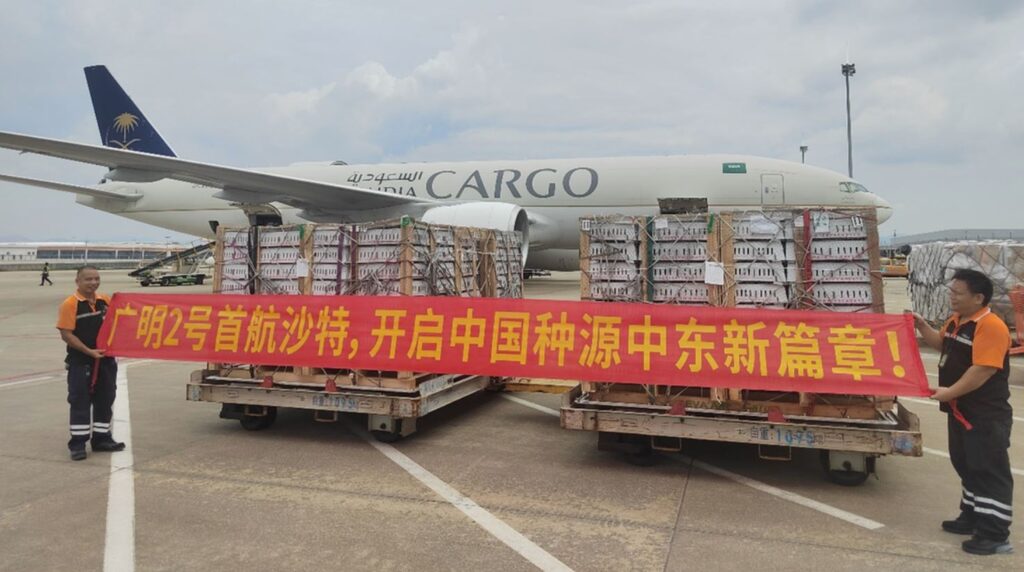
Both China and Russia have accelerated the development of their national sectors to reduce their historic dependence on imported genetics. China has shown remarkable progress since 2021, introducing genomics-based selection systems and developing breeds such as Shengze 901 and Guangming No. 2. As a result, local layer lines now dominate 60% of the egg market in China, and domestic broiler genetics reached a market share of over 30% in 2024.
“The central objective is to strengthen national genetic capabilities and reduce dependence on imported breeding material“.
Russia, for its part, has focused its efforts on the Smena-9 broiler cross, officially registered in 2020. This development is vital to the country’s import substitution strategy; although by 2025 its share of national production exceeded 5%, Russian authorities project raising this figure to 20% before the end of the decade.
Challenges in Efficiency and the Market
Despite the progress made, the transition to domestic genetics faces technical obstacles. Industry reports indicate that, for the time being, the efficiency of domestic genetics tends to be substantially lower compared to international market standards. In Russia, some of the largest producers remain reluctant to make a large-scale switch due to this performance gap. Similarly, in China, lower productive efficiency has contributed to keeping commercial chick prices high.
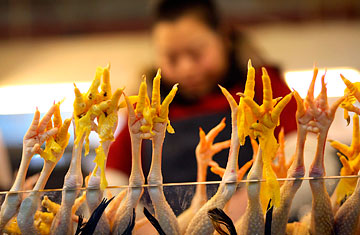
To mitigate these challenges, the Chinese government is promoting the use of local breeds through subsidies in key provinces such as Liaoning and Shandong. With these incentives and the backing of the new alliance with Russia, both countries hope their joint initiatives will open “new opportunities to strengthen their scientific and technological potential” and consolidate a more autonomous poultry market.
For further reading:
-. Food sovereignty
-. Poultry genetics
Want to stay one step ahead in poultry production?
Subscribe free to our eNewsletter and receive a weekly selection
of the best information to anticipate trends, stay up to date, and grow as a poultry industry professional.
NeXusAvicultura: Vision, Criteria, Quality and Context.